Lizaveta Ivanovna
Crime and PunishmentLizaveta Ivanovna is Alyona Ivanovna’s younger half-sister, a woman whose life is shaped by dependence on her sister and whose death turns Raskolnikov’s planned crime into an unforeseen double murder. The narrative presents her as both physically imposing and profoundly vulnerable: tall and awkward, yet so fearful and constrained that she cannot protect herself when confronted with violence.
Identity and Background
Lizaveta is about thirty-five and unmarried. She is described as tall, clumsy, timid, and submissive, with an appearance others consider uncouth; she wears battered goatskin shoes but is careful about her personal cleanliness. She is Alyona’s half-sister, born to a different mother, and occupies a lower social position than the pawnbroker. Their unequal standing is not merely a matter of description: it governs Lizaveta’s work, earnings, and freedom to act.
Work and Dependence
Lizaveta works day and night for Alyona. Her tasks include cooking and washing, as well as sewing and working as a charwoman, and she gives her sister everything she earns. She cannot accept a job or order without Alyona’s permission. The narrative also establishes that Alyona beats her and keeps her in complete subjection. Lizaveta’s dependence is therefore enforced both economically and within the household, leaving her little control over her labor or choices.
Alyona’s will offers no meaningful financial security in return. Lizaveta knows that she is to receive only movable household goods, such as chairs, while the money is left to a monastery in the province of N for prayers to be said in perpetuity. Even in the arrangement of inheritance, the sister who performs the household’s work is denied its wealth.
The Hay Market Meeting
At about nine in the evening, Raskolnikov sees Lizaveta at the Hay Market, standing with a bundle while speaking with a huckster and his wife. They invite her to come the following evening at seven, when other people will also be present; Lizaveta responds slowly, as if uncertain about deciding. Raskolnikov recognizes her from his earlier visit to Alyona and is struck by the encounter. The brief exchange links her ordinary errands to the timing of the events that follow, giving the meeting the force of an ominous coincidence.
Death and Narrative Significance
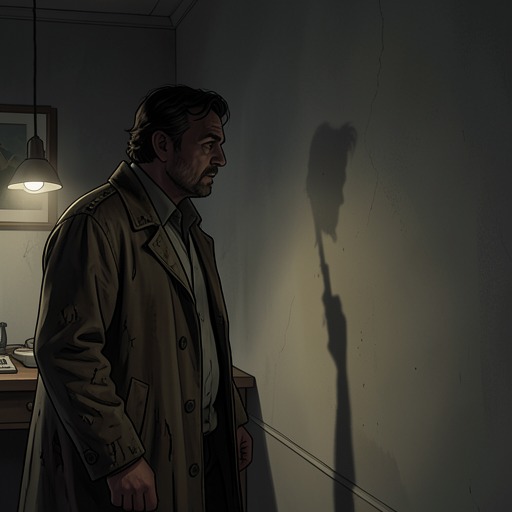
Lizaveta later enters Alyona’s apartment carrying a large bundle and finds her sister dead. She is unable to cry out or raise a hand to defend herself. Raskolnikov attacks and kills her; in the confusion that follows, he snatches up her bundle, drops it, and runs into the entry. Her death is unexpected within the immediate action, but the earlier account of her fear and subjection makes her helplessness in the encounter consistent with the life the narrative has shown.
For Raskolnikov, Lizaveta’s arrival makes the crime a second murder he had not anticipated. His fear intensifies, and revulsion at what he has done grows as he tries to escape. Lizaveta is thus not only Alyona’s dependent sister but also the person whose sudden appearance exposes the human consequence that Raskolnikov’s plan could not contain.